Optical Fiber Communication
What is Optical Fiber?
An optical fiber is a flexible, ultra-thin strand of high-quality glass or plastic that transmits information as light pulses over long distances at high speeds
Typical Configuration of Optical Fiber
A standard optical fiber consists of three main concentric layers. Below is the description and a conceptual breakdown:
1. Core
- Description: The innermost layer of the fiber.
- Function: It is the actual medium through which light travels.
- Material: Made of high-quality glass or plastic with a high refractive index ($n_1$).
2. Cladding
- Description: The layer surrounding the core.
- Function: It keeps the light trapped inside the core by reflecting it back.
- Material: It has a slightly lower refractive index ($n_2$) than the core ($n_1 > n_2$). This difference in refractive index is what enables Total Internal Reflection.
3. Buffer Coating / Jacket
- Description: The outermost protective layer.
- Function: It does not play a role in light transmission but protects the glass from moisture, physical damage, abrasion, and environmental stress.
Link for optical fiber
Avalanche Photodiode
An Avalanche photodiode (APD) is a highly sensitive semiconductor detector that uses the photoelectric effect to convert optical signals into electrical signals. Here is the simple breakdown of how it works and why it’s special:
1. What makes it different?
- Conventional Photodiodes (PIN): These are like simple solar cells. One photon of light creates one electron. The resulting electrical signal is very weak and often needs an external amplifier.
- APD: It uses a process called Avalanche Breakdown. One photon hits the detector and triggers a “chain reaction,” creating a flood of electrons. This means a tiny bit of light produces a very large electrical current.
2. High Sensitivity
Because of this internal “multiplication” of electrons, the APD can detect faint or weak light signals that a normal photodiode would miss. This makes it perfect for long-distance fiber optic cables where the light gets dimmer as it travels.
3. Reach-Through Design
It is often called a “Reach-Through” APD because it is designed so that the internal electric field “reaches through” the entire light-sensitive area. This ensures that almost every photon hitting the device is caught and amplified efficiently.
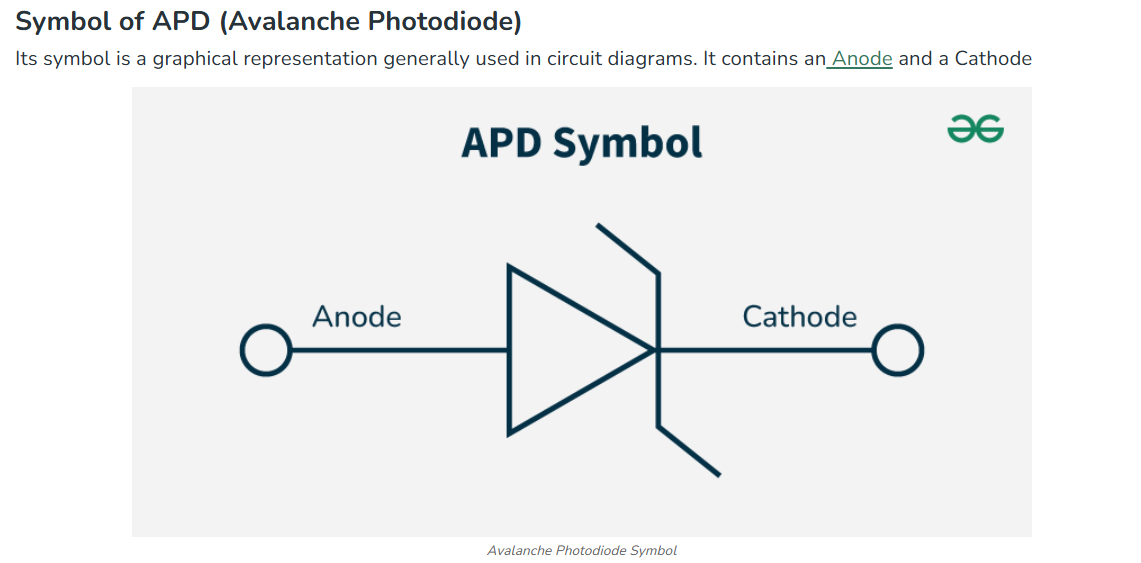
Fig. 2.6 & 2.7: “Lets” vs. “Let’s”: The Right Way to Use Each Word
What is Fiber Optic Cable?
Fiber optic cable is a high-speed networking technology that transmits data as pulses of light through thin strands of glass or plastic.
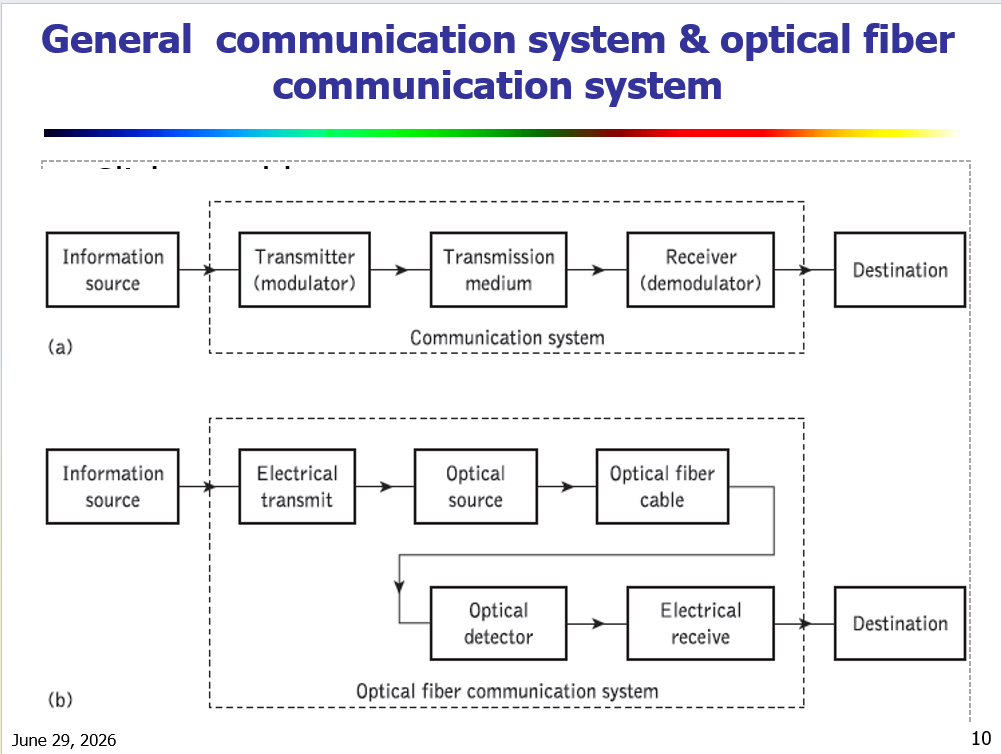
General system and optical fiber system
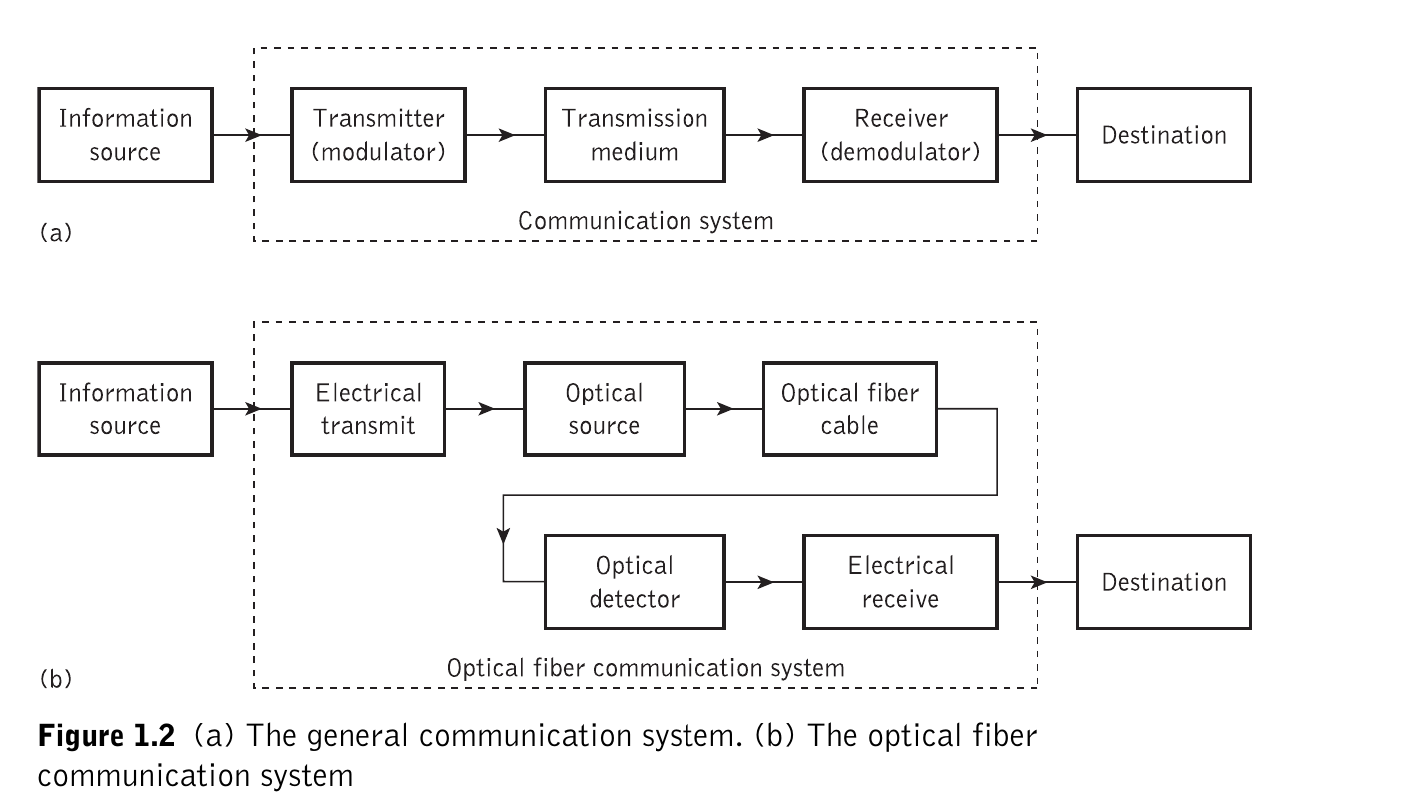
Fig. 2.6 & 2.7: “
1. Where do we use Fiber Optic Cables?
- Internet & Phones: They carry huge amounts of data over very long distances with almost no signal loss.
- TV (Cable TV): They deliver high-definition (HD) video and clear audio directly to your home.
- Data Centers: They are the “super-highways” that connect thousands of servers inside giant tech companies like Google or Facebook.
- Local Networks: Used in LANs and WANs to connect computers, routers, and switches at high speeds.
- Medicine: Doctors use them in Endoscopes (tiny cameras) to see inside the human body and in lasers for surgery.
2. The Advantages (Why Fiber is better than Copper)
- Speed & Bandwidth: Light is the fastest thing in the universe. Fiber can carry much more data than old copper wires.
- Long Distance: Signals can travel much further without losing strength (less power loss).
- No Interference: Since they use light, they aren’t affected by magnets or electricity (Electromagnetic Interference).
- Thin & Light: They are about 4.5 times smaller and much lighter than copper, making them easier to fit into tight spaces.
- Highly Secure: It is almost impossible to “hack” or tap into a fiber cable because it doesn’t leak electrical signals.
- Durable: They are flexible and can resist acidic elements that would normally damage copper.
3. The Disadvantages (The Challenges)
- High Cost: Producing the glass fiber is expensive. You also need special, high-priced equipment to install and test it.
- Fragile: Because they are made of glass, they are brittle. If you bend them too sharply, they will snap.
- Difficult Splicing: Connecting two fibers together is a very delicate “surgery.” If the join isn’t perfect, the signal will fail.
- Easy to Damage: Because they are so thin, they are easily cut by accident during road construction or building renovations.