International English Language Testing System (IELTS)
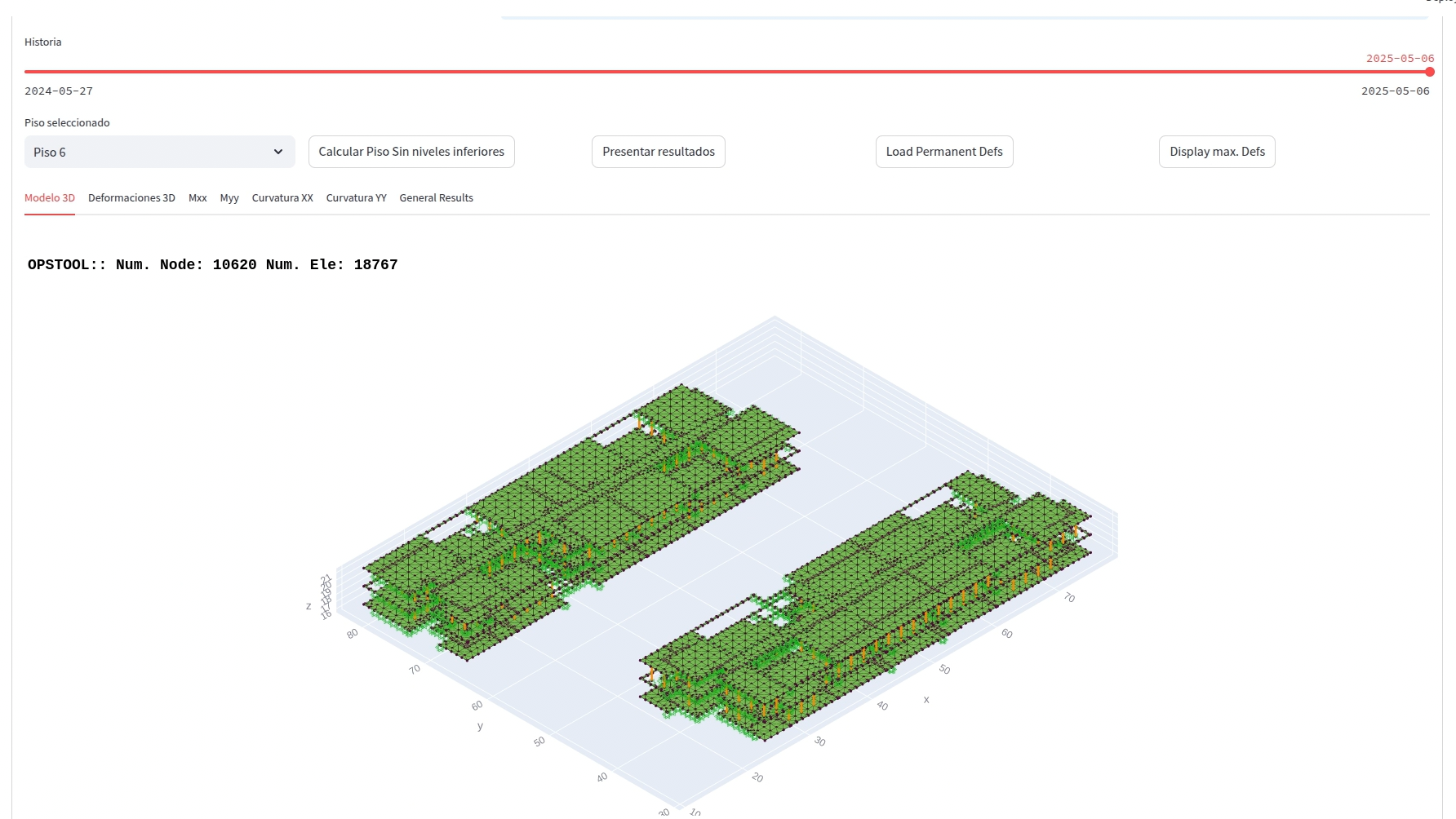
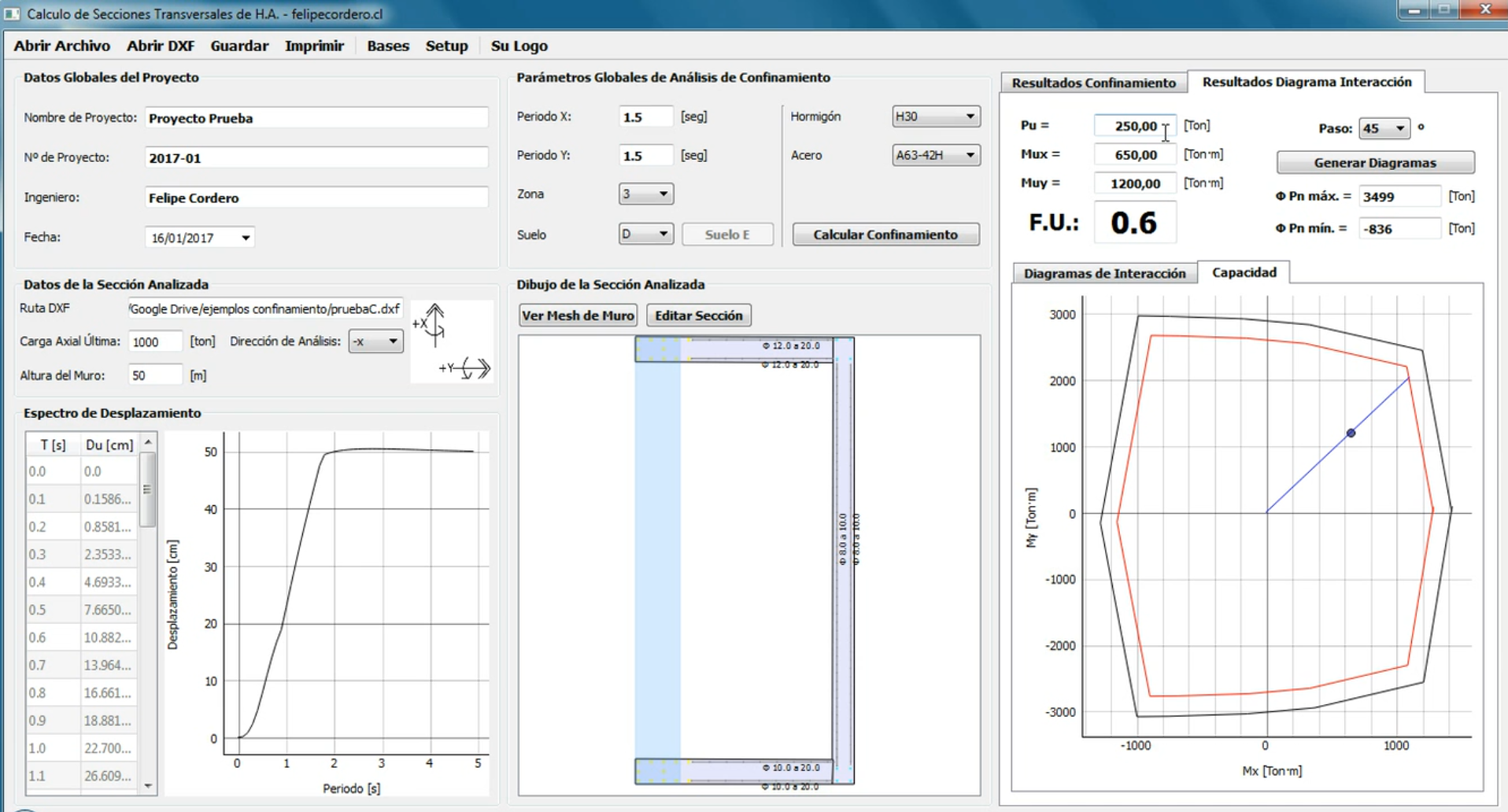
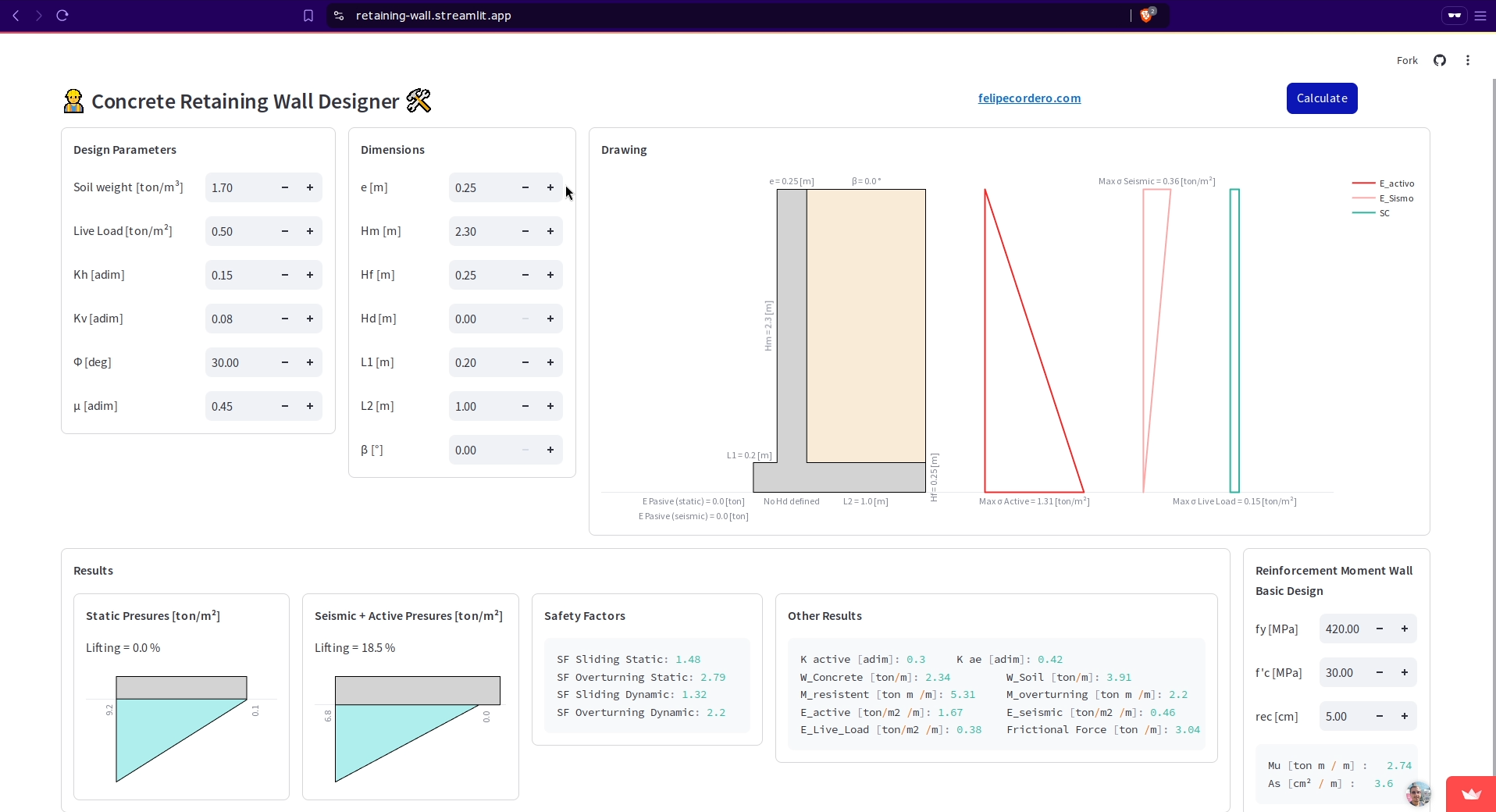
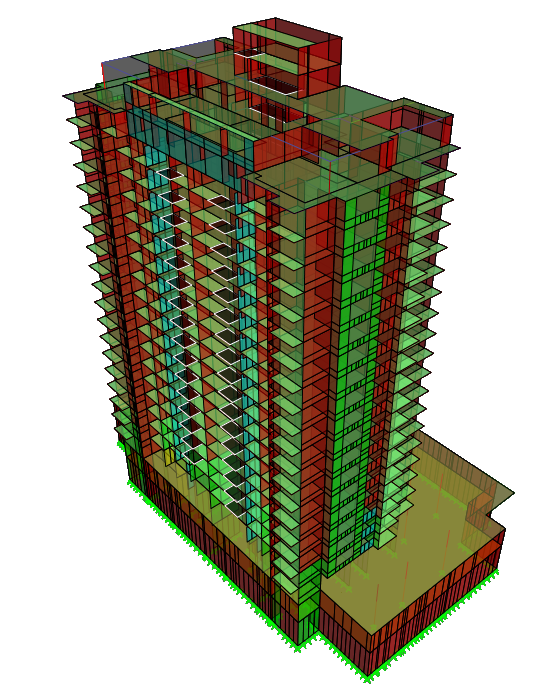
My thesis research focused on a critical aspect of structural engineering that directly impacts the safety of millions of people: the seismic performance of reinforced concrete (RC) wall structures commonly found in Chile. This comprehensive study utilized advanced computational methods to understand how these structures behave under earthquake loads and identify key factors that influence their performance.
For those interested in the complete technical details, the full thesis document is available for download here.
Gramer rules
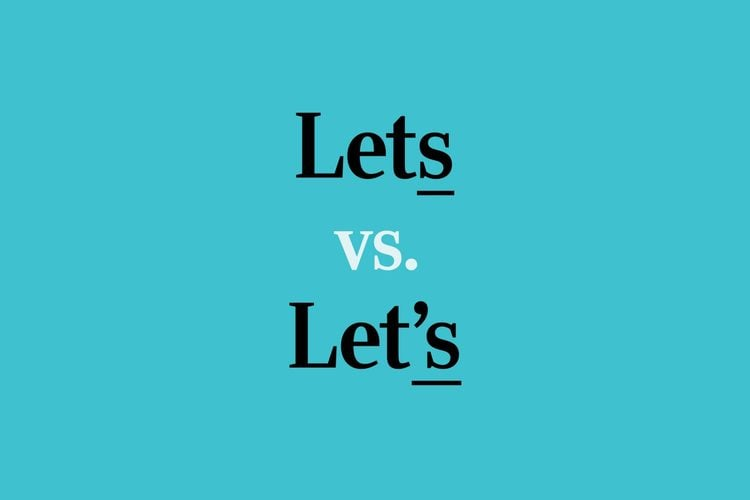
Lets vs Let’s
What does lets mean?
Lets, without the apostrophe, is a form of the verb to let. Specifically, it’s the third-person present singular form, meaning that it goes with pronouns like “she,” “he” and “it,” as well as nouns that take those pronouns. It is most commonly used in the context of giving permission. However, there are other meanings of the verb let, such as “to release.”
Examples of lets in a sentence
He lets his dog sleep in bed with him. Mary lets her kids play outside after they finish their homework. The company lets employees go home early on days before big holidays. Rover lets out a noisy bark whenever he hears someone at the door. as out a noisy bark whenever he hears someone at the door.
What does let’s mean?
Let’s is a contraction of the phrase let us. As with can’t, it’s and I’m, the apostrophe in let’s replaces a missing letter. It is most commonly used in the context of giving a suggestion. You likely know it from expressions like the simple two-word phrase “Let’s go!” Usually an encouraging command, let’s doesn’t involve permission the way lets does.
Even though let’s technically is short for let us, you won’t hear the contraction let’s in a context like, “Why won’t our parents let’s stay out later?” That just sounds silly and confusing. Even if you were imploring your parents, “Let us stay out later!” you still wouldn’t use let’s because that would sound like you were suggesting that you and your parents stay out later together.
And the opposite is true too. Even though let’s is a shortening of let us, you’ll hardly ever actually hear someone say “let us” in the encouraging-command form let’s most often takes. For example, “Let us go to the mall today!” sounds old-fashioned and strange. You might give a command such as, “The beach awaits; let us go!” for dramatic effect, but in most cases, let’s is the usual choice for this use. So it’s easy to forget that let’s is actually short for “let us.”
Examples of let’s in a sentence
Let’s go to the beach today. Let’s get this party started! If we’re going to do something about the economy, let’s start by acknowledging that there is a problem. Let’s not get ahead of ourselves.
Fig. 2.6 & 2.7: “Lets” vs. “Let’s”: The Right Way to Use Each Word
some keyword
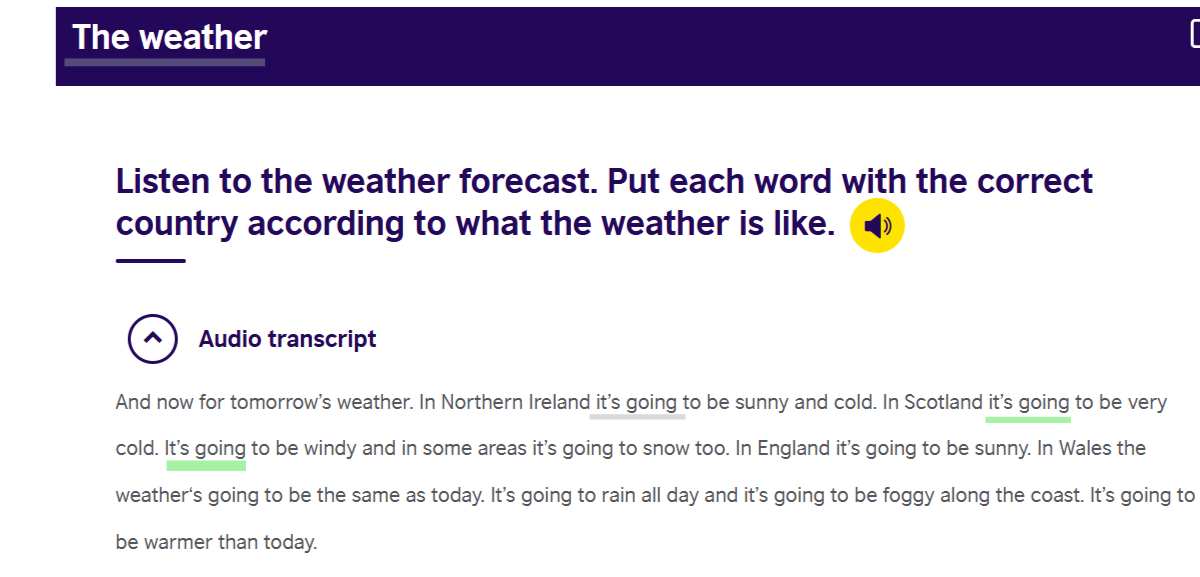
This is on land next to the sea -> beach/coastal Going to be -> is a common English structure used to express future plans
Fig. 2.6 & 2.7: a common English structure used to express future plans
pilets -> is a low-impact, mind-body exercise method focusing on core strength, flexibility, posture, and body awareness through controlled, precise movements
Fig. 2.6 & 2.7: a common English structure used to express future plans
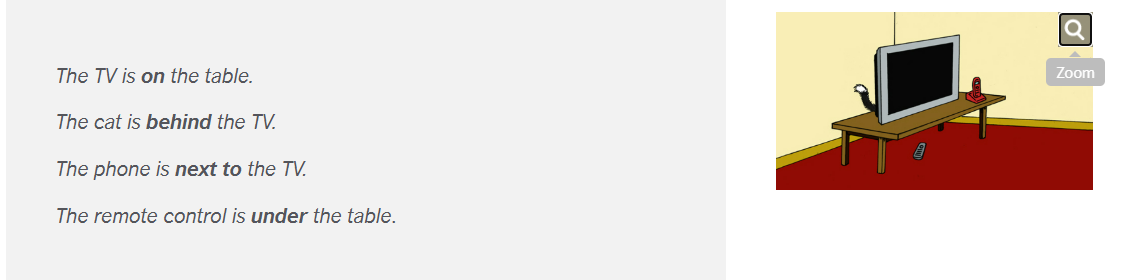
preposition
Fig. 2.6 & 2.7: a common English structure used to express future plans
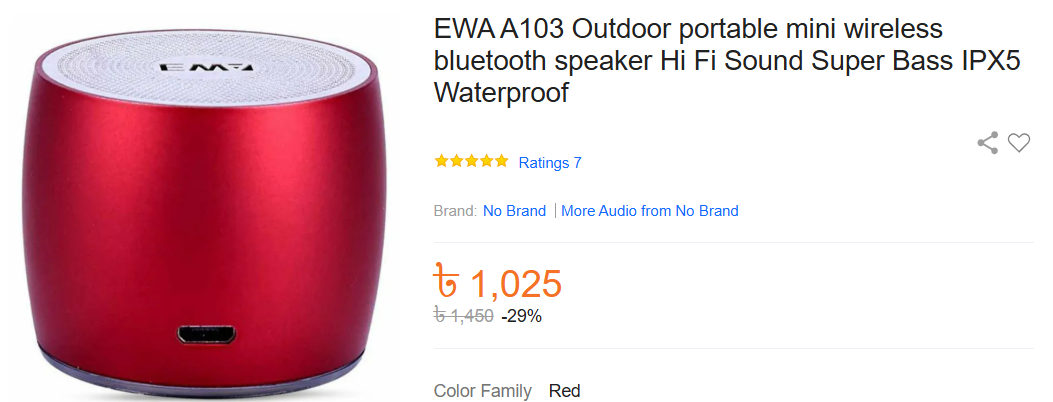
Hi-Fi -> short for “high fidelity,
Fig. 2.6 & 2.7: a common English structure used to express future plans
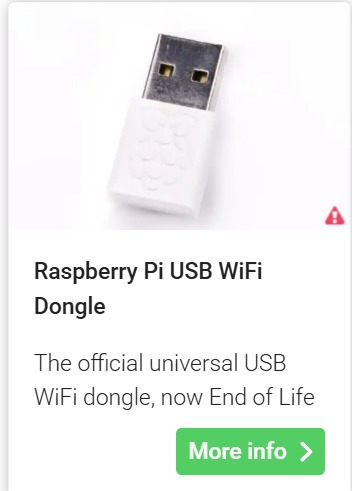
What is a USB Dongle
Fig. 2.6 & 2.7: A dongle is a small, portable hardware device that plugs into a port (usually USB or HDMI) on a computer or other electronic device to provide additional features or functionality.
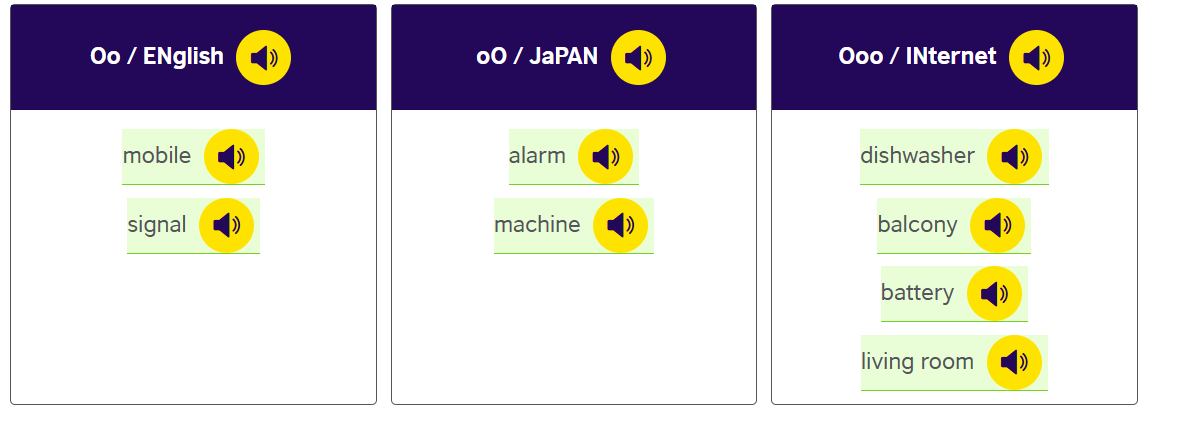
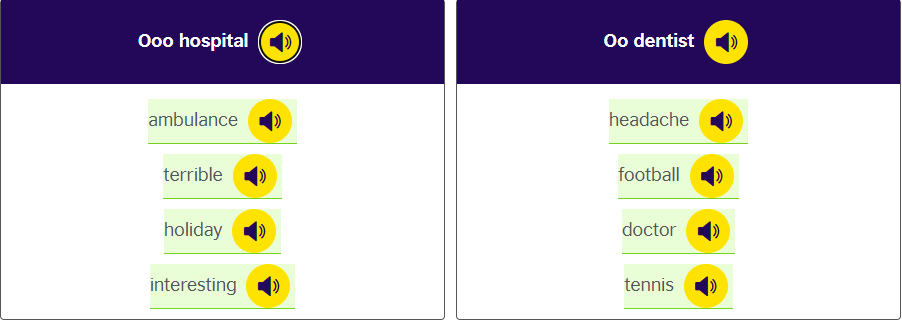
The phoname of Ooo
Fig. 2.6 & 2.7: A dongle is a small, portable hardware device that plugs into a port (usually USB or HDMI) on a computer or other electronic device to provide additional features or functionality.
How do you know Minsu? -> We were at school together.
“Cheers” -> is a versatile, informal term primarily used as a drinking toast, a British/Commonwealth expression of gratitude (“thank you”), or a casual goodbye.
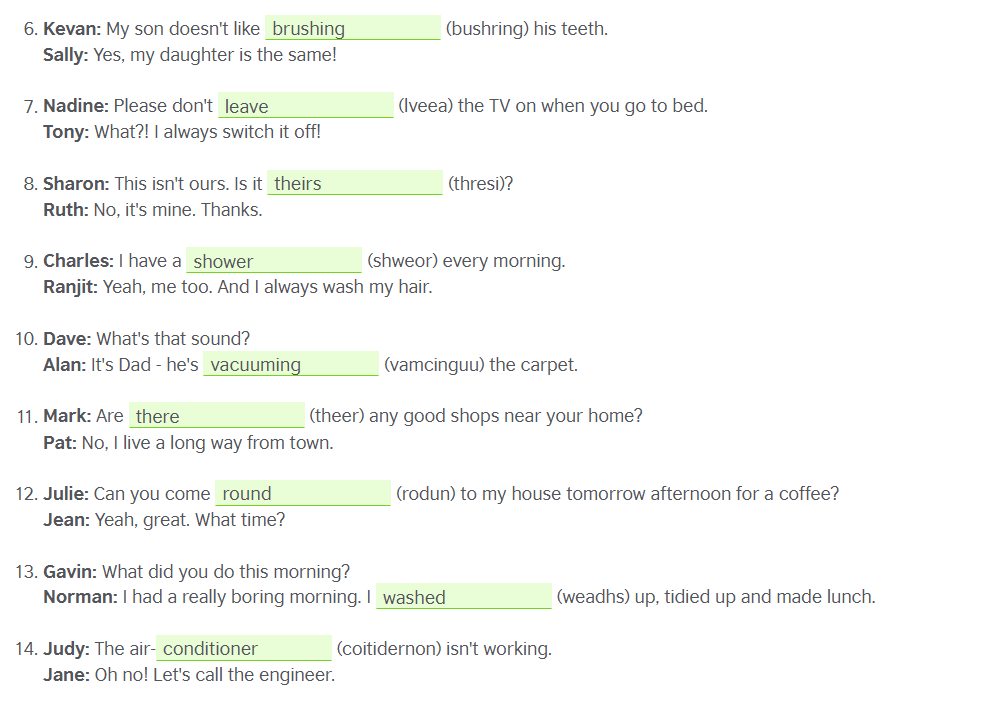
“Do the washing-up” is a common British idiom meaning to wash dishes, pans, and cutlery after a meal
Fig. 2.6 & 2.7: A dongle is a small, portable hardware device that plugs into a port (usually USB or HDMI) on a computer or other electronic device to provide additional features or functionality.
Fig. 2.6 & 2.7: A dongle is a small, portable hardware device that plugs into a port (usually USB or HDMI) on a computer or other electronic device to provide additional features or functionality.
Single mother -> Is not married, divorced, separated, or widowed.
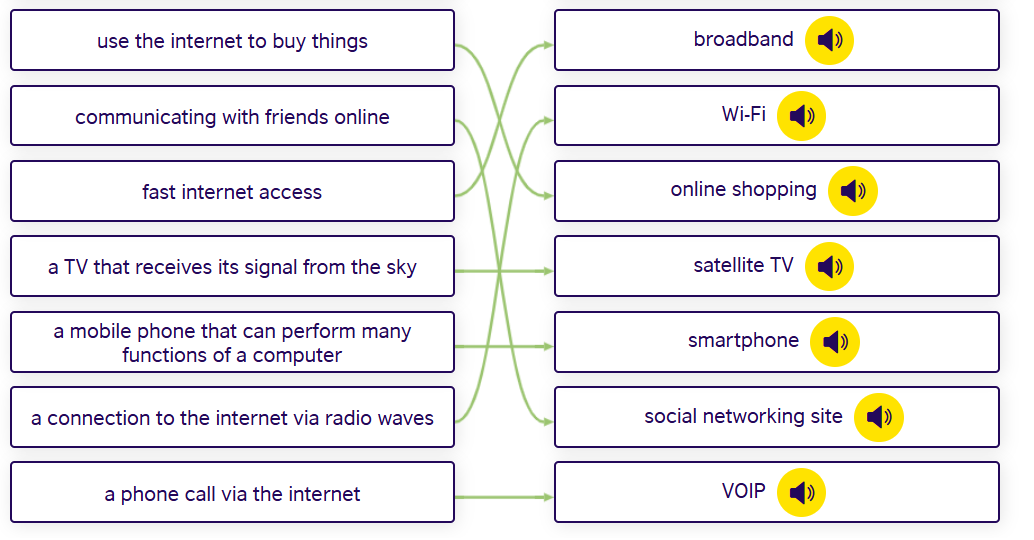
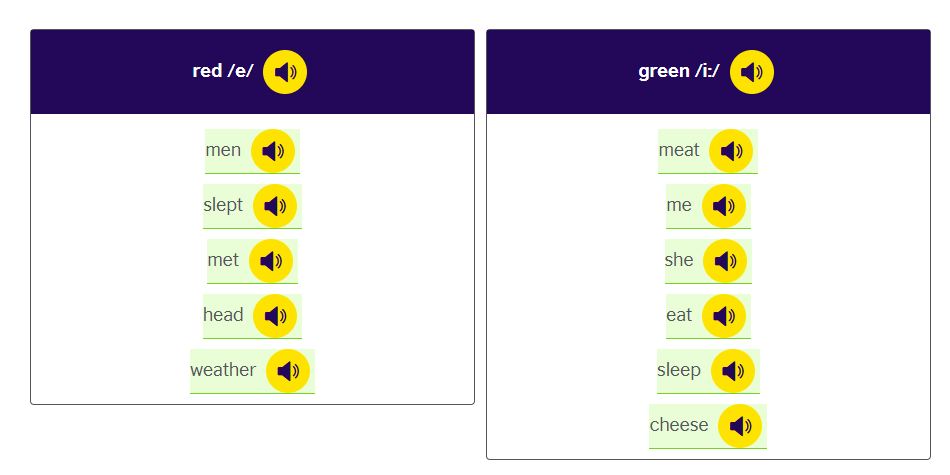
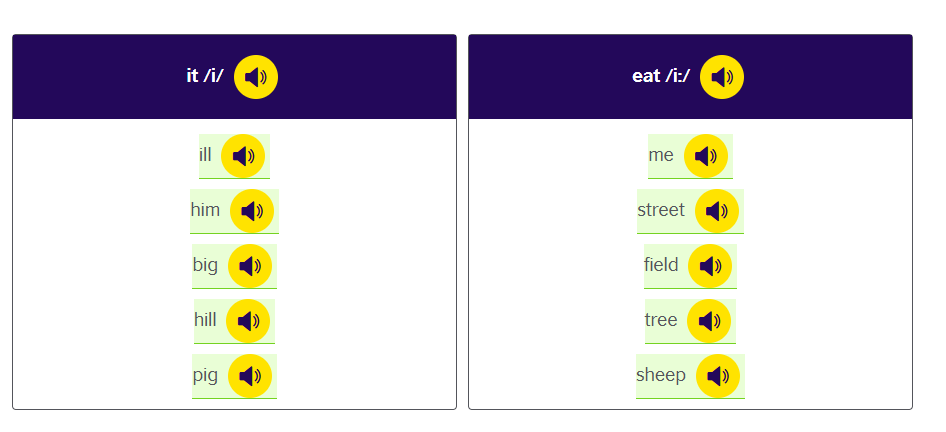
phoname of this phOne and Online
Fig. 2.6 & 2.7: A dongle is a small, portable hardware device that plugs into a port (usually USB or HDMI) on a computer or other electronic device to provide additional features or functionality.
Fig. 2.6 & 2.7: A dongle is a small, portable hardware device that plugs into a port (usually USB or HDMI) on a computer or other electronic device to provide additional features or functionality.
Fig. 2.6 & 2.7: A dongle is a small, portable hardware device that plugs into a port (usually USB or HDMI) on a computer or other electronic device to provide additional features or functionality.
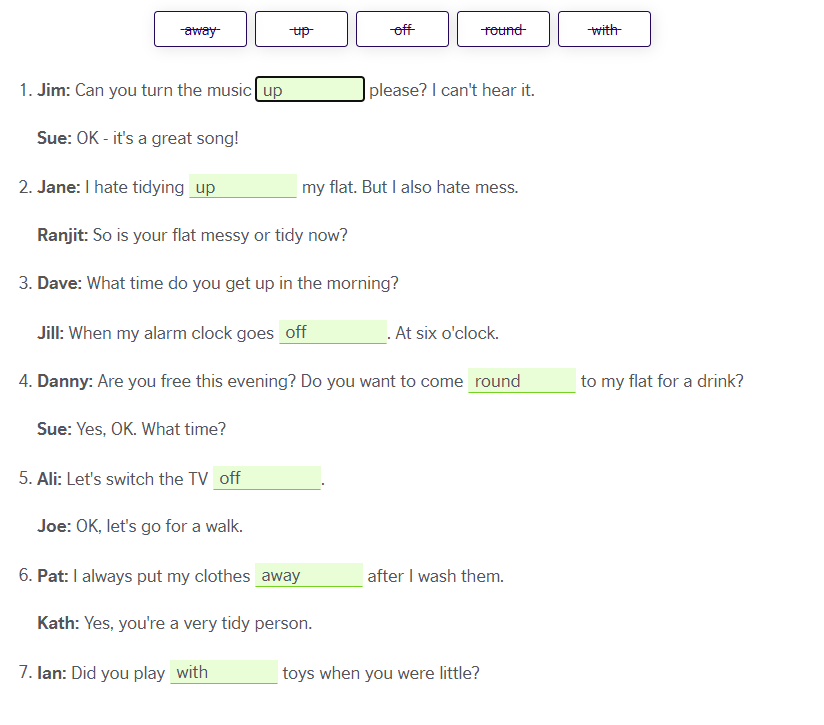
phrasal Verbs
Fig. 2.6 & 2.7: A dongle is a small, portable hardware device that plugs into a port (usually USB or HDMI) on a computer or other electronic device to provide additional features or functionality.
Rearrange the words
Fig. 2.6 & 2.7: A dongle is a small, portable hardware device that plugs into a port (usually USB or HDMI) on a computer or other electronic device to provide additional features or functionality.
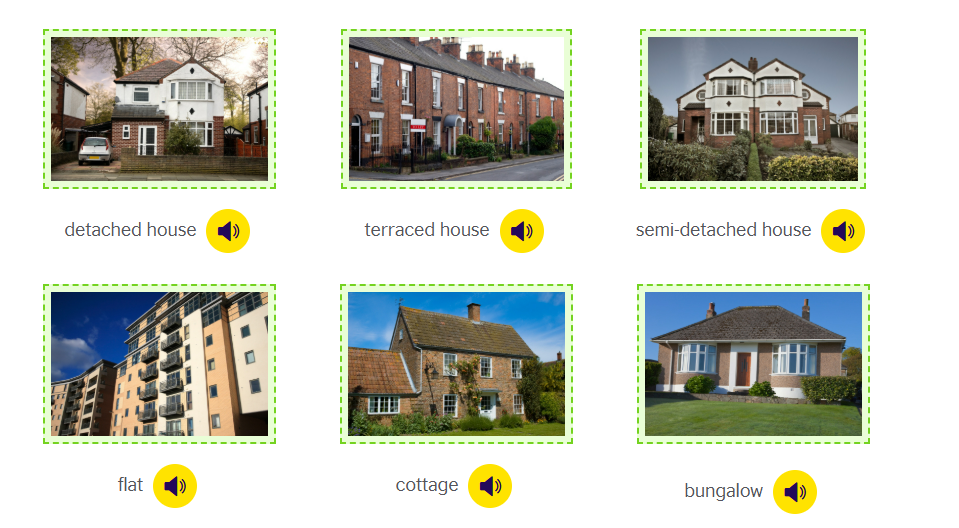
Naming convention Houses
Fig. 2.6 & 2.7: A dongle is a small, portable hardware device that plugs into a port (usually USB or HDMI) on a computer or other electronic device to provide additional features or functionality.
Fig. 2.6 & 2.7: A dongle is a small, portable hardware device that plugs into a port (usually USB or HDMI) on a computer or other electronic device to provide additional features or functionality.
compare sentence
Fig. 2.6 & 2.7: A dongle is a small, portable hardware device that plugs into a port (usually USB or HDMI) on a computer or other electronic device to provide additional features or functionality.
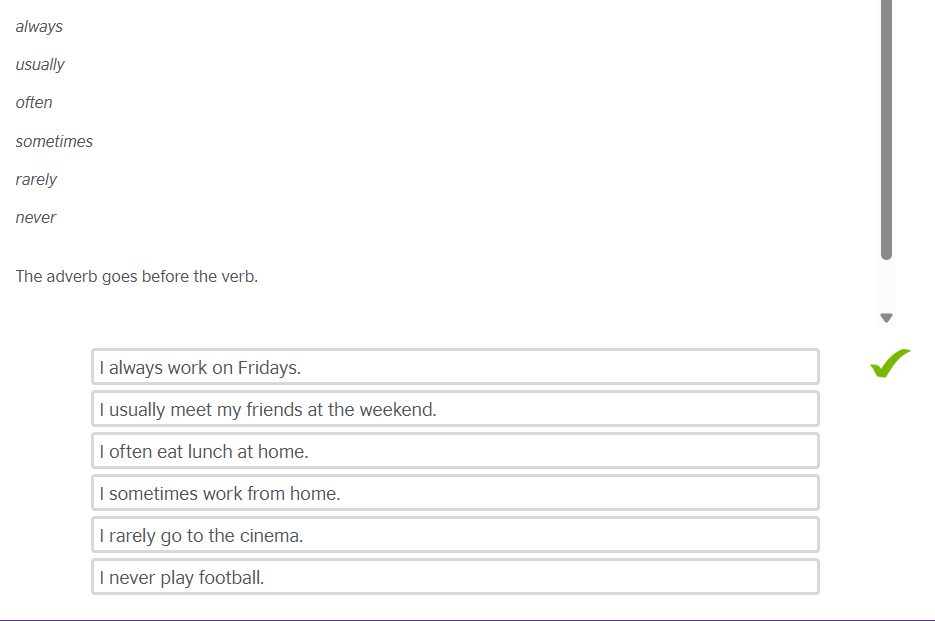
Adverbs position
Fig. 2.6 & 2.7: A dongle is a small, portable hardware device that plugs into a port (usually USB or HDMI) on a computer or other electronic device to provide additional features or functionality.
Impertanct Sentences
Fig. 2.6 & 2.7: A dongle is a small, portable hardware device that plugs into a port (usually USB or HDMI) on a computer or other electronic device to provide additional features or functionality.
Impertanct picture
Fig. 2.6 & 2.7: A dongle is a small, portable hardware device that plugs into a port (usually USB or HDMI) on a computer or other electronic device to provide additional features or functionality.
Impertanct picture
Fig. 2.6 & 2.7: A dongle is a small, portable hardware device that plugs into a port (usually USB or HDMI) on a computer or other electronic device to provide additional features or functionality.
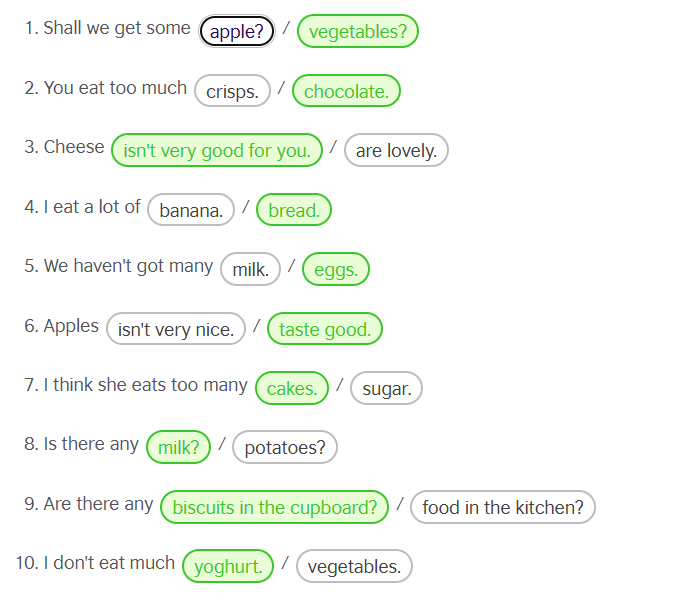
Countable Noune
Fig. 2.6 & 2.7: A dongle is a small, portable hardware device that plugs into a port (usually USB or HDMI) on a computer or other electronic device to provide additional features or functionality.
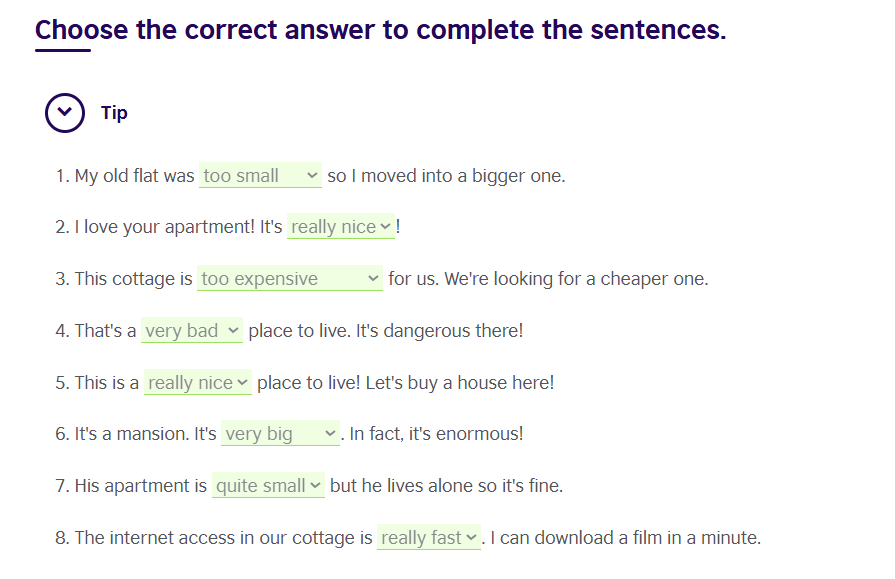
Suitable word
Fig. 2.6 & 2.7: A dongle is a small, portable hardware device that plugs into a port (usually USB or HDMI) on a computer or other electronic device to provide additional features or functionality.
Fig. 2.6 & 2.7: A dongle is a small, portable hardware device that plugs into a port (usually USB or HDMI) on a computer or other electronic device to provide additional features or functionality.
Fig. 2.6 & 2.7: A dongle is a small, portable hardware device that plugs into a port (usually USB or HDMI) on a computer or other electronic device to provide additional features or functionality.
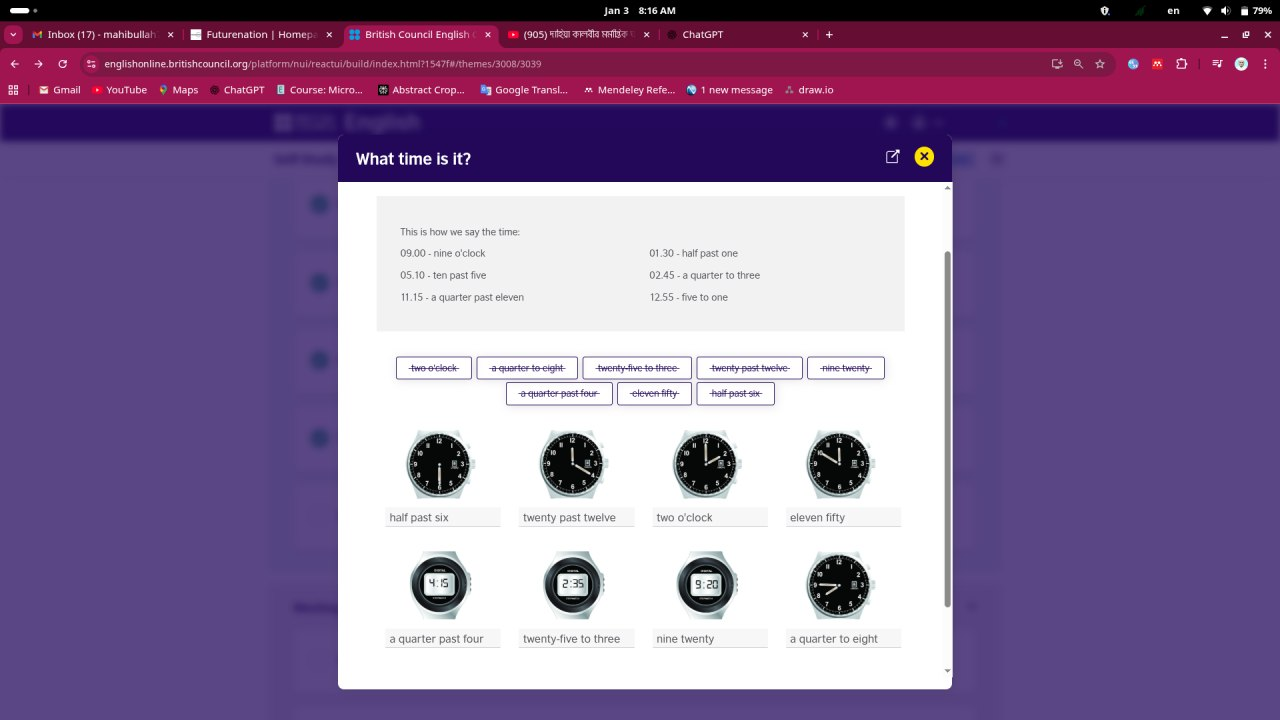
Time naming convention
Fig. 2.6 & 2.7: A dongle is a small, portable hardware device that plugs into a port (usually USB or HDMI) on a computer or other electronic device to provide additional features or functionality.
Games naming convention
Fig. 2.6 & 2.7: A dongle is a small, portable hardware device that plugs into a port (usually USB or HDMI) on a computer or other electronic device to provide additional features or functionality.